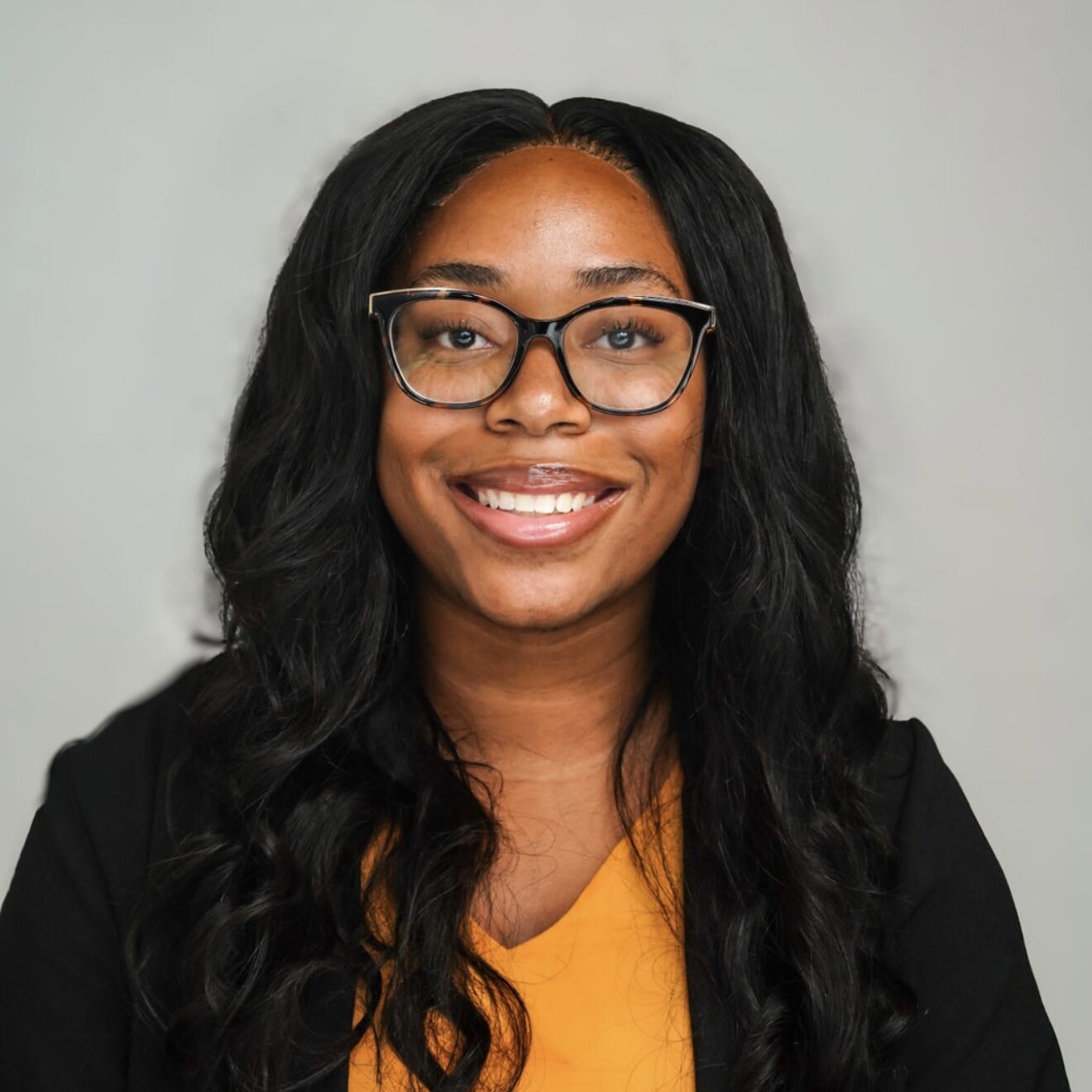
Leyonce Latus
Behavioral, Social, and Health Education Sciences '27
November 11, 2026
Leyoncé Latus is a public health researcher and community health worker pursuing a Master of Public Health in Behavioral, Social, and Health Education Sciences at Emory University’s Rollins School of Public Health, with certificates in Maternal and Child Health and Infectious Disease Epidemiology. Her work centers on advancing maternal health, sexual and reproductive health equity, and HIV prevention, particularly among Black women and underserved communities. She brings experience in qualitative and quantitative research, community engagement, health education, program evaluation, and evidence synthesis. She aims to translate research into accessible health information, stronger services, and more equitable care for women and families
Read below to learn about Leyonce’s summer experience working on the Women’s Health Literacy and Empowerment Study with Criado!
Through my summer work with Criado on the Women’s Health Literacy & Empowerment (WHLE) Study, I learned how qualitative and quantitative research can work together to better understand women’s hormone health knowledge, health literacy, and ability to take action regarding their health. This experience helped me recognize that providing health information is only one part of empowerment; women also need information that is understandable, relevant to their experiences, and practical to apply. Leading a landscape assessment of emerging biomarkers, wearables, and digital health tools also challenged me to consider how we can evaluate whether education leads to meaningful changes in knowledge, behavior, and health.
This work broadened my understanding of maternal and child health by reinforcing the importance of supporting women’s health throughout the life course. Hormone health literacy and confidence navigating healthcare are relevant before, during, and beyond pregnancy. The experience also encouraged me to think critically about whether emerging FemTech tools are accessible, affordable, and appropriate for the communities that could benefit from them.
My work with WHLE strengthened my Rollins experience by allowing me to apply classroom training in behavioral science, epidemiology, and research methods to a community-focused women’s health project. Working with Tosi, a Rollins and MCH graduate, also demonstrated how public health training can translate into nonprofit leadership and research that responds to women’s needs.
I am excited about opportunities to bring the qualitative and quantitative findings together and use them to inform future women’s health education programs. Tosi and I are currently working to write the study up as a mixed-methods manuscript.